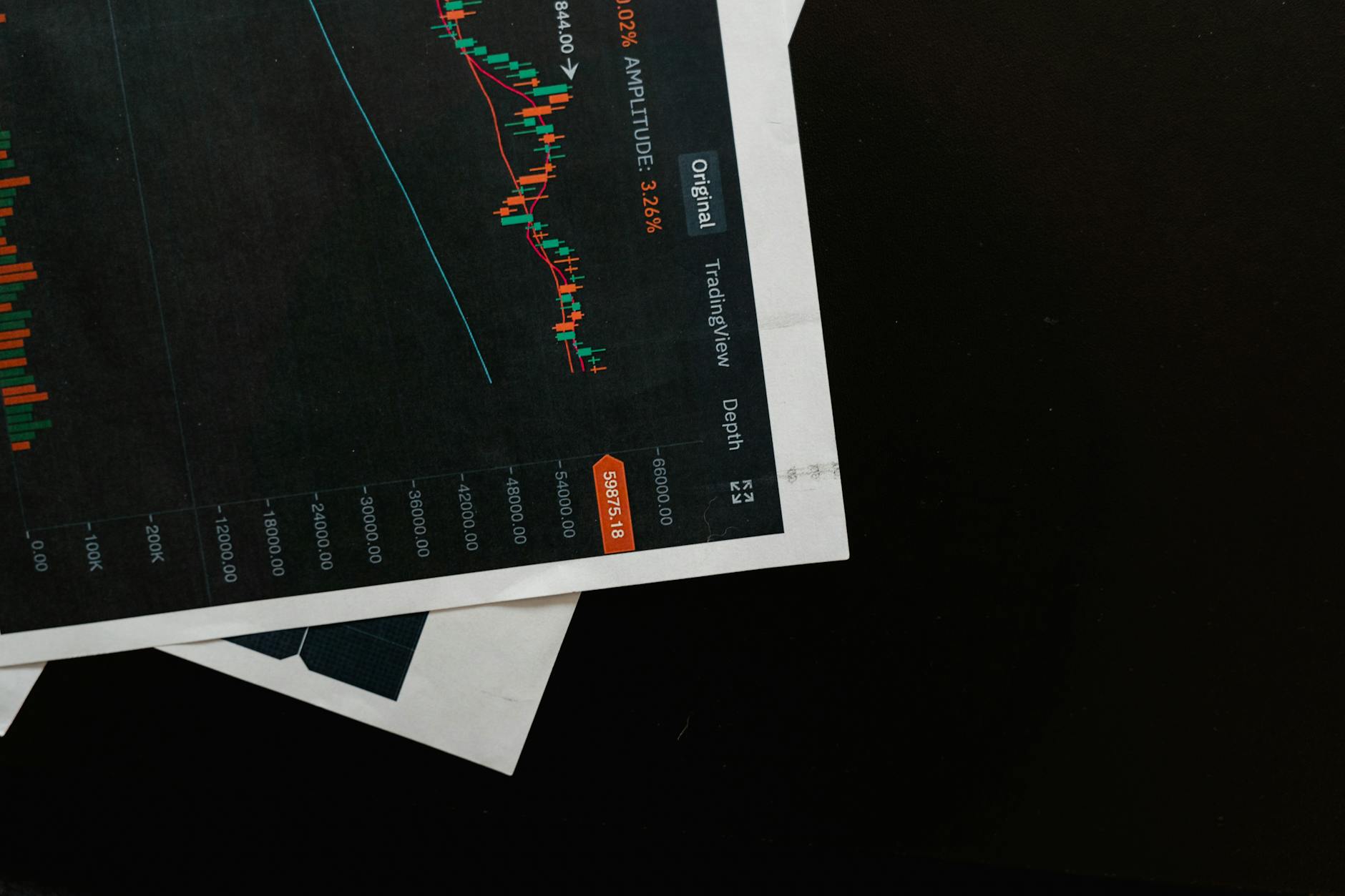
Master Your Wealth: Essential Investment Portfolio Management Tips
Discover proven strategies to effectively manage your investments, grow your capital, and achieve your financial aspirations.
Start Your JourneyKey Takeaways
- ✓ Diversification is crucial for mitigating risk across asset classes.
- ✓ Regular rebalancing ensures your portfolio aligns with your risk tolerance and goals.
- ✓ Understanding your risk tolerance is fundamental to effective portfolio construction.
- ✓ Long-term perspective often outweighs short-term market fluctuations.
How It Works
Define what you want your investments to achieve (e.g., retirement, home purchase) and how much market volatility you can comfortably endure. This forms the bedrock of your portfolio strategy.
Determine the optimal mix of asset classes like stocks, bonds, and real estate based on your goals, timeframe, and risk profile. This is a critical decision that drives long-term returns.
Choose individual investments within your allocated asset classes, ensuring broad diversification across sectors, geographies, and company sizes to spread risk effectively.
Periodically review your portfolio's performance, rebalance to maintain your target asset allocation, and make adjustments as your life circumstances or market conditions evolve.
Understanding the Fundamentals of Investment Portfolio Management in the US
 Photo: RDNE Stock project / Pexels
Strategic Asset Allocation and Portfolio Rebalancing for Optimal Growth
 Photo: www.kaboompics.com / Pexels
Navigating Risk and Maximizing Returns with Advanced Investment Portfolio Management Tips
Key Investment Portfolio Management Tips: Avoiding Common Pitfalls and Building Resilience
Comparison
| Feature | DIY Portfolio Management | Robo-Advisor | Human Financial Advisor | Hybrid Model |
|---|---|---|---|---|
| Cost | Lowest (brokerage fees) | Low (0.25-0.50% AUM) | Highest (0.50-1.50% AUM) | Moderate |
| Customization | Highest | Limited (based on algorithms) | Highest (personalized advice) | High |
| Expert Guidance | None | Algorithmic recommendations | Personalized human advice | Algorithmic + human touch |
| Time Commitment | Highest | Lowest | Low (delegated) | Moderate |
| Suitability | Experienced investors | Beginners, hands-off investors | Complex needs, high net worth | Growth-oriented, some guidance |
What Readers Say
"These investment portfolio management tips completely transformed how I view my finances. I finally have a clear strategy and feel confident about my retirement goals. My portfolio has never been more organized."
Sarah J. · Austin, TX"The advice on asset allocation and rebalancing was a game-changer. I used to make emotional decisions, but now I follow a disciplined plan. My returns have become much more consistent."
Mark D. · Chicago, IL"Thanks to these tips, I identified and corrected several errors in my portfolio, leading to a projected 15% increase in my long-term wealth. The tax-efficiency section alone was worth it."
Emily R. · Miami, FL"While very thorough, some sections felt a bit advanced for a complete beginner. However, the core principles are incredibly valuable, and I'm slowly implementing them with great results."
David L. · Seattle, WA"As a small business owner, managing my personal and business investments was overwhelming. This guide provided practical, actionable investment portfolio management tips that I could immediately apply."
Jessica M. · Denver, COFrequently Asked Questions
What is the most crucial aspect of investment portfolio management?
The most crucial aspect is aligning your portfolio with your personal financial goals and risk tolerance. Without a clear understanding of what you want to achieve and how much risk you're willing to take, any investment strategy will lack direction and likely lead to suboptimal outcomes. This foundation dictates all subsequent decisions regarding asset allocation and specific investments.
Is it too late to start managing my investment portfolio?
It is never too late to start effectively managing your investment portfolio. While starting early offers the benefit of compounding, even those closer to retirement can optimize their existing assets to better suit their current goals and risk profile. The key is to start now, assess your situation, and implement a suitable strategy.
How often should I rebalance my investment portfolio?
Most experts recommend rebalancing your investment portfolio annually or semi-annually. Alternatively, you can use a threshold-based approach, rebalancing only when an asset class deviates by a certain percentage (e.g., 5-10%) from its target allocation. Consistency is more important than the exact timing, as it helps maintain your desired risk-return profile.
Are robo-advisors a cost-effective way to manage my portfolio?
Yes, robo-advisors are generally a very cost-effective way to manage your portfolio, especially for beginners or those with simpler financial needs. They offer automated asset allocation, rebalancing, and tax-loss harvesting at significantly lower fees (typically 0.25-0.50% of assets under management) compared to traditional human financial advisors, making them an excellent value proposition for many investors.
How do passive investing (index funds) compare to active investing in portfolio management?
Passive investing, primarily through index funds or ETFs, aims to replicate the performance of a market index at a low cost, relying on broad market returns. Active investing involves fund managers trying to outperform the market by picking specific stocks or timing the market, often with higher fees. Historically, a majority of active managers struggle to consistently beat their benchmarks after fees, making passive investing a popular and often more effective strategy for long-term portfolio growth.
Who should use investment portfolio management tips?
Anyone with investments, from novice investors just starting out to seasoned individuals with complex portfolios, can benefit from sound investment portfolio management tips. Whether you manage your own investments, use a robo-advisor, or work with a financial planner, understanding these principles empowers you to make informed decisions and oversee your financial future effectively.
What role does diversification play in managing investment risk?
Diversification is a critical tool for managing investment risk. By spreading your investments across different asset classes, industries, geographies, and companies, you reduce the impact of any single investment performing poorly. It helps to mitigate unsystematic risk (specific to a company or industry), ensuring that your overall portfolio is more resilient to individual setbacks, though it doesn't eliminate all market risk.
What future trends might impact investment portfolio management?
Future trends impacting investment portfolio management include the increasing adoption of AI and machine learning for personalized advice and predictive analytics, the growth of ESG (Environmental, Social, and Governance) investing, the potential impact of blockchain and digital assets, and continued shifts towards low-cost, passive investment vehicles. Staying informed about these trends can help investors adapt their strategies for future success.
Ready to take control of your financial destiny? Apply these powerful investment portfolio management tips to build a resilient, growth-oriented portfolio. Start optimizing your wealth today for a secure and prosperous future.