

Your Guide to Renting a Van for Moving Day
renting a van for moving day

Your Guide to Renting a Van for Moving Day

Neatly organized cardboard boxes inside a delivery van, ready for shipment.Photo: Tima Miroshnichenko / Pexels

Your Guide to Renting a Van for Moving Day

Unlock a smoother, more affordable moving experience with our comprehensive guide to van rentals.

Start Your Move Now

Key Takeaways

  • ✓ Van rentals are often more cost-effective than full-service movers for smaller moves.
  • ✓ Choosing the right van size is crucial to avoid multiple trips or insufficient space.
  • ✓ Insurance options for rental vans vary and should be carefully reviewed.
  • ✓ Booking in advance, especially during peak season, can save you money and ensure availability.

How It Works

1
Assess Your Moving Needs

Estimate the volume of items you need to move and the distance of your relocation. This helps determine the appropriate van size and rental duration.

2
Research & Compare Rental Options

Look into various rental companies, comparing their van types, pricing, insurance, and pickup/drop-off policies. Read reviews to gauge customer service.

3
Book Your Van & Prepare

Reserve your chosen van well in advance, confirming all details like pickup time and location. Gather packing supplies and plan your loading strategy.

4
Pick Up, Load & Return

Inspect the van thoroughly before driving off, load your belongings carefully, and return the van on time and with the correct fuel level as per the agreement.

Why Renting a Van for Moving Day Makes Sense

Courier uses clipboard to manage parcel delivery from van load.Photo: Tima Miroshnichenko / Pexels
Moving can be one of life's most stressful events, but it doesn't have to break the bank or your back. For many, the traditional options of hiring full-service movers or relying solely on friends with pickup trucks fall short. This is where renting a van for moving day emerges as a brilliant, balanced solution. It offers a sweet spot between affordability, control, and efficiency, particularly for those with a moderate amount of belongings or for shorter distances. Imagine the flexibility of packing at your own pace, loading your items exactly how you prefer, and having direct control over the transportation of your cherished possessions. One of the primary drivers for choosing a rental van is undoubtedly the cost savings. Full-service moving companies charge for labor, mileage, packing materials, and sometimes even staircase fees. While convenient, these costs quickly add up. A rental van, on the other hand, typically involves a daily rate, mileage fees (sometimes unlimited), and fuel. By undertaking the packing and loading yourself, you significantly cut down on expenses. This financial advantage is especially appealing for students, young professionals, or anyone looking to minimize moving costs without compromising on the security of their items. Beyond cost, the control factor is paramount. When you rent a van, you're in the driver's seat, both literally and figuratively. You decide the schedule, the route, and how your belongings are handled. This level of autonomy is often invaluable, especially when dealing with fragile items, sentimental pieces, or specific logistical challenges. You won't be waiting on a moving crew's schedule or worrying about the handling of your goods by strangers. This sense of ownership throughout the moving process can drastically reduce stress and provide peace of mind. Furthermore, rental vans come in various sizes, making them highly adaptable to different moving needs. From cargo vans perfect for a studio apartment to larger box trucks suitable for a two-bedroom home, there's a vehicle designed to fit your specific volume of belongings. This eliminates the common problem of making multiple trips in a smaller personal vehicle or, conversely, paying for excess space you don't need with an oversized moving truck. The right-sized van ensures efficiency, saving time and fuel. This flexibility is a significant benefit that often gets overlooked. For more insights on efficient packing, consider checking out our guide on smart packing strategies. This blend of cost-effectiveness, control, and versatility makes renting a van an increasingly popular choice for a wide range of movers.

Choosing the Right Van Size and Rental Company
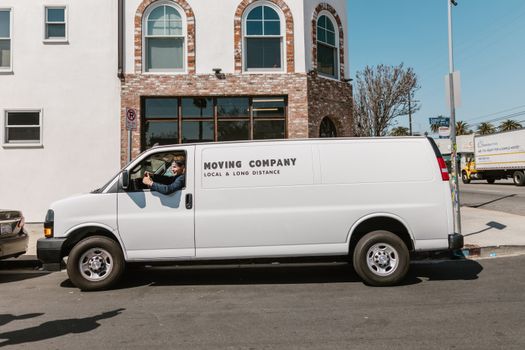
White moving company van parked on city street on a sunny day, showcasing local and long distance services.Photo: RDNE Stock project / Pexels
The success of your moving day hinges significantly on selecting the appropriate van size. Underestimate, and you risk multiple trips, wasted time, and increased fuel costs. Overestimate, and you pay for unused space and potentially struggle with a larger, less maneuverable vehicle. A good rule of thumb is to consider the number of rooms you're moving. A cargo van or small box truck is often sufficient for a studio or one-bedroom apartment, easily accommodating a bed, dresser, boxes, and small furniture. For a two-bedroom apartment or small house, a 10-foot to 15-foot box truck is usually ideal. Larger homes might require a 20-foot or even 26-foot truck. It’s always better to slightly over-estimate your space needs than to find yourself short on moving day. Many rental companies provide online calculators or guides to help you visualize what fits into each van size. Taking an inventory of your largest items and estimating box counts can provide a more accurate picture. Once you have a general idea of the size, the next critical step is to research and compare rental companies. Major players like U-Haul, Budget Truck Rental, Enterprise Truck Rental, Penske Truck Rental, and Ryder all offer different types of vans and trucks. Each company has its own pricing structure, which can include daily rates, mileage charges (some offer unlimited mileage, others charge per mile), fuel policies (full-to-full, or pre-paid options), and insurance offerings. Don't just look at the base price; factor in all potential costs to get a true comparison. Read reviews specific to the location you plan to pick up from, as local customer service can vary greatly. Insurance is another vital consideration. Your personal car insurance policy might not cover rental trucks or vans for moving. Rental companies offer various protection plans, from basic liability to comprehensive coverage that includes damage waivers. While these add to the cost, they can provide immense peace of mind, especially if you're not accustomed to driving larger vehicles or are navigating unfamiliar areas. Carefully review what your credit card company might offer as well, as some cards provide rental vehicle insurance benefits. Always clarify the deductible and what exactly is covered before declining or accepting any insurance. Finally, consider the logistics. Does the company offer convenient pickup and drop-off locations? Are their hours compatible with your moving schedule? Do they provide additional equipment like hand trucks, furniture dollies, or moving blankets for rent? These small details can make a big difference on moving day. Some companies even offer one-way rentals, which are invaluable if you're moving a significant distance and don't plan to return the van to its origin point. By diligently researching these factors, you can ensure a smooth and efficient rental experience.

For more options, check out Rental Car.

Preparing for Moving Day and Optimizing Your Van Rental
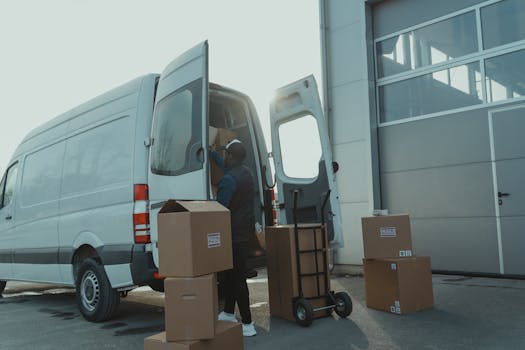
Courier loading cardboard boxes into a delivery van outside a warehouse.Photo: Tima Miroshnichenko / Pexels
Thorough preparation is the cornerstone of a successful and stress-free moving day, especially when you're relying on a rental van. The weeks leading up to your move should be spent strategically. Start by decluttering – the less you move, the less you pay for space and the easier the loading process. Once you’ve purged unnecessary items, begin packing systematically. Label every box clearly with its contents and the room it belongs to. This not only aids in unpacking but also helps you prioritize what to load first and last into the van. Heavy items should be packed in smaller boxes, while lighter, bulkier items can go into larger ones. Invest in quality packing materials, including sturdy boxes, bubble wrap, packing paper, and strong tape. These protect your belongings and make stacking in the van safer and more efficient. Before picking up your rental van, confirm your reservation details a few days in advance. Double-check the pickup time, location, and ensure you have all necessary documentation, such as your driver's license, reservation confirmation, and payment method. On the day of pickup, arrive a little early to allow time for a thorough inspection of the vehicle. Document any existing dents, scratches, or damage with photos or videos. This protects you from being charged for pre-existing issues upon return. Familiarize yourself with the van's controls, including mirrors, headlights, and wipers, as driving a larger vehicle can feel different from your personal car. If you're unsure about anything, don't hesitate to ask the rental agent. Loading the van efficiently is an art form that can save you space, time, and potential damage. Always load the heaviest and bulkiest items first, placing them against the back wall and distributing weight evenly. Use furniture dollies and hand trucks to move large items safely. Secure items with moving straps or ropes to prevent shifting during transit. Moving blankets are essential for protecting furniture from scratches and dings. Think vertically – stack boxes as high as possible, ensuring the heaviest boxes are at the bottom. Leave a clear path for easy access if you need to retrieve anything during the journey. For an even more detailed approach to loading, consider reviewing our guide on maximizing moving truck space, which provides advanced techniques. Remember to load items you'll need immediately upon arrival (like cleaning supplies, toiletries, or a first-night box) last, so they're easily accessible. Proper planning and careful execution during the loading phase will make a significant difference in your moving day experience and the condition of your belongings upon arrival.

Common Mistakes to Avoid When Renting a Van

A delivery worker in gloves checking documents on a clipboard by a van.Photo: Pavel Danilyuk / Pexels
Renting a van for your moving day can be incredibly efficient, but a few common missteps can quickly turn a smooth operation into a logistical nightmare. Being aware of these pitfalls beforehand will help you navigate your move with greater ease. * **Underestimating Van Size:** This is perhaps the most frequent mistake. People often eyeball their belongings and assume a smaller van will suffice, only to realize half their possessions won't fit. Always err on the side of caution and go for a slightly larger size if you're on the fence. It's far better to have a little extra space than to make multiple trips or leave items behind. * **Neglecting Insurance:** Many renters assume their personal auto insurance covers rental trucks or vans. This is rarely the case, or coverage might be limited. Declining the rental company's insurance options without verifying your existing coverage can leave you financially vulnerable in case of an accident or damage. Always clarify your coverage before you drive off the lot. * **Last-Minute Booking:** Especially during peak moving seasons (summer, end of month), vans can be scarce and prices can surge. Booking your rental van several weeks in advance ensures availability, a wider selection of vehicles, and often better rates. Procrastination can lead to settling for an unsuitable van or paying premium prices. * **Ignoring Fuel Policies:** Rental companies have strict fuel policies. Some require the tank to be full upon return, others offer pre-paid fuel options. Failing to adhere to these can result in exorbitant refueling charges from the rental company, which are typically much higher than gas station prices. Always know the policy and plan your refueling accordingly. * **Not Inspecting the Vehicle:** Before you sign anything or drive away, conduct a thorough inspection of the van. Look for existing dents, scratches, broken mirrors, or any other damage. Document everything with photos or video, and ensure it's noted on your rental agreement. This protects you from being held responsible for pre-existing damage. * **Overloading the Van:** While you want to maximize space, exceeding the van's weight capacity is dangerous and illegal. It can impair braking, steering, and overall vehicle performance. Check the gross vehicle weight rating (GVWR) and ensure your load doesn't exceed it. Distribute weight evenly to maintain balance. * **Forgetting Moving Equipment:** A rental van is just a shell. You'll likely need moving blankets, furniture dollies, hand trucks, and tie-down straps. Forgetting these essentials can make loading and unloading incredibly difficult, increase the risk of injury, and potentially damage your belongings. Rent or purchase these items in advance. * **Not Planning Your Route:** Driving a larger vehicle is different. Plan your route to avoid low bridges, narrow streets, or areas with restricted access for larger vehicles. Use GPS systems that allow for vehicle size input if available. Consider potential traffic and construction, especially on moving day. By being mindful of these common mistakes, you can significantly streamline your van rental experience and ensure your moving day is as smooth and efficient as possible.

Comparison

FeatureRental Van (DIY)Full-Service MoversPersonal Vehicle
CostLow to MediumHighVery Low (limited capacity)
ControlHighLowHigh
Effort (Loading/Unloading)HighLowHigh
Suitability (Volume)Medium to LargeAnySmall
FlexibilityHighLowHigh
Insurance ComplexityModerateCovered by MoverPotentially limited

What Our Readers Say

5 ★★★★★

"Renting a van for moving day from Budget was incredibly straightforward. The online booking process was smooth, and the cargo van was perfect for my one-bedroom apartment. Saved me hundreds compared to hiring movers, and I had everything packed and moved in a single afternoon."

5 ★★★★★

"Penske's 15-foot truck was exactly what I needed for my two-bedroom move. The unlimited mileage option was a lifesaver, and the truck was clean and well-maintained. The whole experience of renting a van for moving day exceeded my expectations."

5 ★★★★★

"My move across town was made so much easier by renting a van from U-Haul. I followed their size guide, and the 10-foot truck fit all my belongings perfectly. No extra trips, no stress, and everything arrived safely. Highly recommend for any DIY mover."

4 ★★★★☆

"The Enterprise cargo van was a solid choice for moving furniture between storage units. Pickup was a bit slow, but the van itself was modern and easy to drive. Just wish they had more flexible hours for weekend returns, but overall a good value for renting a van for moving day."

5 ★★★★★

"As a small business owner, I frequently need to transport inventory. Renting a van for moving day (or any day) for my supplies has been a game-changer. It's much more cost-effective than delivery services and gives me complete control over my logistics."

Frequently Asked Questions

What's the best time to book a rental van for moving day?
It's highly recommended to book your rental van at least 2-4 weeks in advance, especially if you're moving during peak seasons like summer, holidays, or the end of the month. Early booking ensures better availability of your preferred van size and can often secure more favorable rates, avoiding last-minute surcharges and limited options.
Do I need special insurance when renting a van for moving?
Your personal auto insurance policy might not cover rental trucks or vans, or it may offer very limited coverage. It's crucial to check with your existing insurer. Rental companies offer various protection plans (damage waivers, liability coverage) that can provide peace of mind. Consider these options carefully to avoid significant financial risk in case of an accident or damage.
How do I determine the correct van size for my move?
Most rental companies provide online tools or guides to help you estimate van size based on the number of rooms or major items you're moving. A cargo van is good for studios, 10-15 ft trucks for 1-2 bedrooms, and larger box trucks for 3+ bedrooms. It's often safer to slightly overestimate your needs to avoid multiple trips or insufficient space.
Is renting a van cheaper than hiring full-service movers?
Generally, yes, renting a van for moving day is significantly cheaper than hiring full-service movers. While you'll be responsible for packing, loading, and driving, you save on labor costs, which are a major component of full-service moving expenses. The total cost depends on van size, mileage, fuel, and insurance choices.
How does renting a van compare to using a storage container service?
Renting a van offers immediate, direct transport of your belongings, ideal for same-day moves or moves within a short timeframe. Storage container services provide more flexibility for packing over time and often include storage solutions, but the actual transport can take longer and may involve additional delivery fees. The best choice depends on your timeline and storage needs.
Who should consider renting a van for moving day?
Renting a van is ideal for individuals or families with smaller to medium-sized moves (studio to 2-3 bedroom homes), those moving shorter distances, and anyone looking to save money by doing the packing and loading themselves. It's also a great option if you prefer to have direct control over your belongings throughout the moving process.
What safety tips should I keep in mind when driving a rental van?
Always adjust mirrors, be aware of increased blind spots, and allow extra stopping distance due to the van's weight and size. Drive slower than usual, especially when turning or in adverse weather. Be mindful of overhead clearances for bridges and drive-thrus, and avoid sudden maneuvers. Secure all items inside the van to prevent shifting during transit.
Are there any eco-friendly considerations when renting a van?
While moving inherently has an environmental impact, you can minimize it by choosing the right-sized van to avoid multiple trips, consolidating belongings to reduce overall volume, and planning efficient routes. Some rental companies are also beginning to offer more fuel-efficient models or hybrid options, so inquire about these if available in your area.

Ready to take control of your next relocation? By understanding the ins and outs of renting a van for moving day, you're empowered to make smart choices that save you money and stress. Start planning your efficient, budget-friendly move today by exploring rental options and securing the perfect van for your needs.

Topics: renting a van for moving dayvan rental for movingmoving day tipsDIY movingtruck rental alternatives
Leo List
Brampton weed
Adultwork