Inspiring Student Portfolio Examples High School
student portfolio examples high school

Inspiring Student Portfolio Examples High School

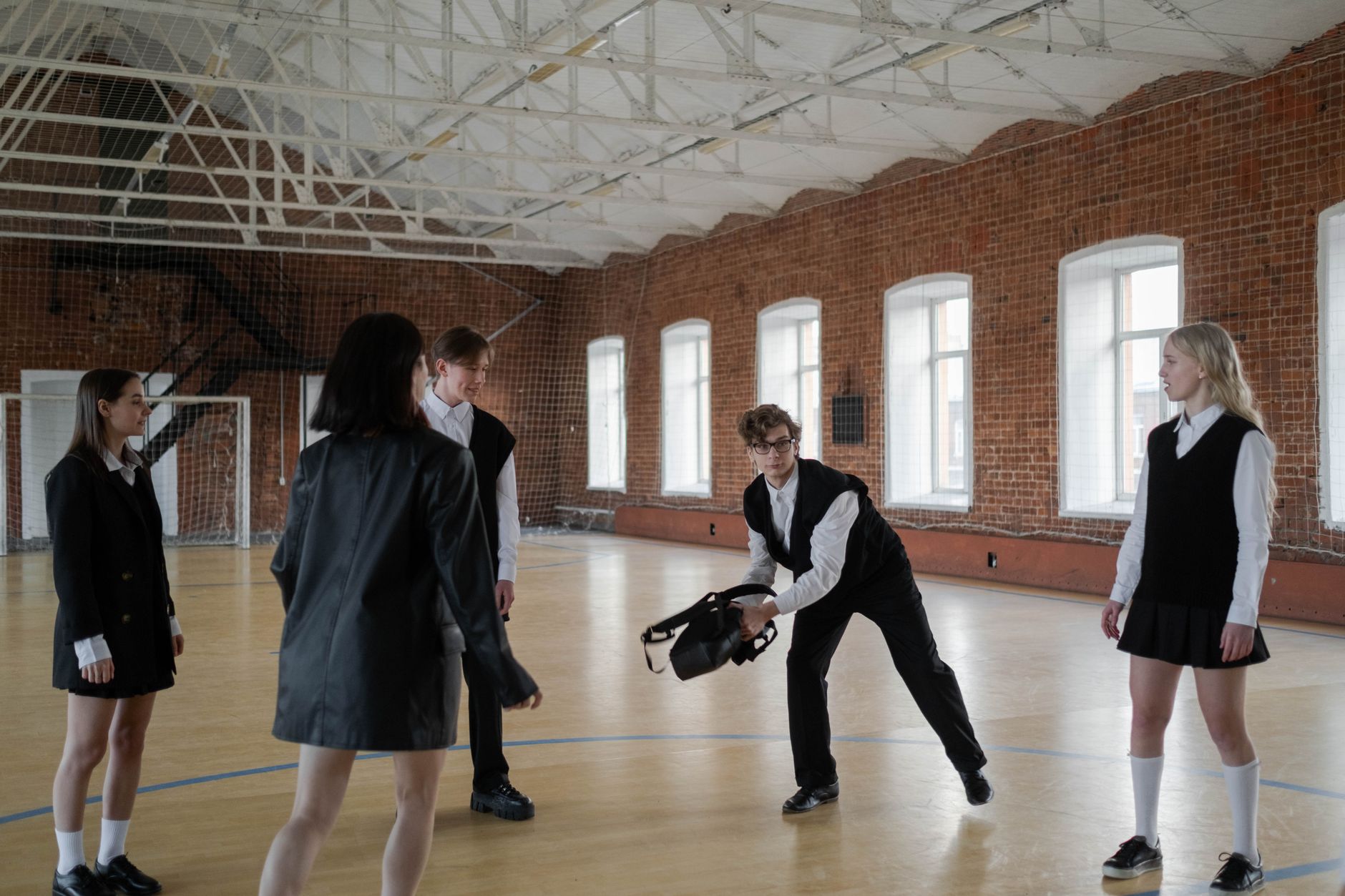
Teenagers in school uniforms interacting inside a brick-walled gymnasium, exploring social dynamics.Photo: cottonbro studio / Pexels

Inspiring Student Portfolio Examples High School

Unlock your potential by showcasing your best work and achievements to impress colleges and future employers.

Build Your Portfolio Now

Key Takeaways

  • ✓ A well-crafted high school portfolio can significantly boost college application success.
  • ✓ Portfolios are not just for art students; they can showcase diverse academic and extracurricular achievements.
  • ✓ Digital portfolios offer dynamic ways to present work, including multimedia elements.
  • ✓ Starting early in high school provides ample time to curate a comprehensive portfolio.

How It Works

1
Define Your Purpose

Determine if your portfolio is for college admissions, scholarships, internships, or personal growth. This clarity will guide your content selection and presentation.

2
Gather & Select Work

Collect academic projects, creative pieces, awards, volunteer experiences, and leadership roles. Choose items that best demonstrate your skills, passions, and growth.

3
Curate & Organize

Arrange your selected pieces logically, often by theme, skill, or chronological order. Add reflective statements to explain the significance and learning behind each entry.

4
Choose a Platform & Publish

Select a suitable platform (e.g., Google Sites, Adobe Portfolio, Wix) and design a clean, professional layout. Ensure easy navigation and shareability for your audience.

Understanding the Power of a High School Student Portfolio

Close-up of a person reviewing charts and reports in an office setting.Photo: RDNE Stock project / Pexels
In today's competitive academic and professional landscape, standing out is more crucial than ever. For high school students, a well-curated portfolio transcends the traditional resume and transcript, offering a dynamic, personalized narrative of their journey, skills, and aspirations. It's not just a collection of your best work; it's a strategic tool designed to showcase your unique talents, academic achievements, extracurricular involvement, and personal growth in a compelling and organized manner. Think of it as your personal marketing brochure, tailored to impress college admissions officers, scholarship committees, and even potential employers for internships or part-time jobs. The beauty of a portfolio lies in its ability to tell your story beyond grades and test scores. While a transcript shows what you learned, a portfolio demonstrates how you apply that knowledge, your creative process, critical thinking skills, and problem-solving abilities. It provides tangible evidence of your capabilities and passions, giving evaluators a much deeper insight into who you are as a student and an individual. For many high school students, the idea of creating a portfolio might seem daunting, often associated exclusively with aspiring artists or designers. However, this perception is rapidly changing. Portfolios are becoming increasingly relevant across all disciplines, from STEM fields to humanities. A STEM student might include research papers, coding projects, robotics club achievements, or even designs for innovative solutions to local problems. A humanities student could feature exceptional essays, creative writing pieces, debate club awards, historical research projects, or multimedia presentations. The key is to select pieces that highlight your strengths and align with your future goals. For instance, if you're applying to an engineering program, showcasing your participation in a science fair where you built a complex mechanism, complete with design sketches and a reflective essay on the challenges you overcame, will be far more impactful than just listing 'science fair participant' on your resume. This depth and context are precisely what make portfolios so powerful. Moreover, the process of creating a portfolio itself is an invaluable learning experience. It requires self-reflection, critical evaluation of your own work, organization, and presentation skills – all highly sought-after attributes in higher education and the professional world. It forces you to look back at your high school years and identify moments of significant learning, achievement, and personal development. This introspective journey can help you articulate your strengths and weaknesses, understand your academic and personal trajectory, and even solidify your career aspirations. When you present your portfolio, you're not just showing your work; you're demonstrating your ability to curate, explain, and advocate for your accomplishments. This meta-skill is incredibly valuable and often overlooked. A strong portfolio can be the differentiating factor that moves your application from the 'maybe' pile to the 'yes' pile, especially in competitive scenarios where many applicants have similar grades and test scores. It provides the human element, the narrative, and the proof that colleges and organizations are looking for. Learn more about crafting an impactful portfolio. Beyond college admissions, a high school portfolio can serve multiple purposes. It can be a vital component for scholarship applications, demonstrating not just academic merit but also dedication, creativity, and leadership. For students seeking internships or entry-level jobs, a portfolio provides concrete examples of their skills, whether it's graphic design, content creation, event planning, or data analysis. Even for personal development, having a structured collection of your achievements can be a tremendous source of pride and motivation. It serves as a living document of your growth, a testament to your hard work and perseverance. In essence, a high school student portfolio is an investment in your future, a tool that empowers you to take control of your narrative and present your best self to the world. It’s about moving beyond simply stating what you've done to vividly demonstrating who you are and what you're capable of.

Diverse Student Portfolio Examples High School Success Stories

To truly understand the impact and versatility of student portfolios, let's explore some compelling examples across different disciplines, showcasing how high schoolers have leveraged them for success. These aren't just theoretical constructs; they represent real-world applications that have opened doors for students. **The Aspiring Engineer's Robotics Portfolio:** Imagine Sarah, a high school junior applying to top engineering programs. Her portfolio isn't just a list of courses; it's a comprehensive digital showcase. It includes high-resolution photos and videos of robots she designed and built for her school's robotics club, accompanied by detailed engineering notebooks. These notebooks feature her initial sketches, CAD designs, circuit diagrams, and reflections on design challenges and solutions. She also includes a research paper on sustainable energy solutions, a coding project where she developed a simple app to track energy consumption, and a certificate from a summer STEM camp where she collaborated on a complex Rube Goldberg machine. Each entry has a brief narrative explaining her role, the skills she developed, and the impact of the project. This portfolio doesn't just say she's interested in engineering; it *shows* her passion, technical skills, problem-solving abilities, and commitment. **The Creative Writer's Literary Portfolio:** David, an aspiring English major, compiled a portfolio that highlights his exceptional writing talent. His portfolio includes a curated selection of his best essays from English and history classes, demonstrating strong analytical and research skills. He also features original short stories, poetry, and even excerpts from a screenplay he wrote, showcasing his creative flair. For each piece, he includes a brief artist's statement discussing his inspiration, writing process, and the themes he explored. To demonstrate his broader literary engagement, he adds reviews of books he's read, participation certificates from writing workshops, and even a link to a blog where he publishes his musings on literature and current events. This portfolio provides tangible proof of his literary prowess and intellectual curiosity, far beyond what grades alone could convey. **The Future Healthcare Professional's Service Portfolio:** Maria, who dreams of becoming a doctor, developed a portfolio focused on her commitment to service and scientific inquiry. Her portfolio features detailed accounts of her volunteer work at a local hospital, including reflections on patient interactions and the medical environment. She includes certificates from CPR and First Aid training, a research project on a specific disease conducted during a summer science program, and a presentation she gave to her biology class on health disparities. Photos of her participating in community health fairs, accompanied by descriptions of her role in educating the public, further strengthen her application. She also includes a section on her leadership in her school's HOSA (Health Occupations Students of America) club, detailing initiatives she spearheaded. This portfolio paints a holistic picture of a compassionate, driven, and scientifically-minded individual. **The Visual Artist's Digital Portfolio:** For someone like Chloe, applying to art school, a portfolio is non-negotiable. Her digital portfolio showcases a diverse range of her artwork: charcoal drawings, oil paintings, digital illustrations, and even a short animated film she created. Each piece is professionally photographed or scanned, with high-quality images. She includes descriptive captions for each artwork, detailing the medium, dimensions, date, and a brief artistic statement explaining her concept and process. Her portfolio also features sketchbook pages demonstrating her ideation process, awards from local art competitions, and even photos of her participating in a mural project for her community. This comprehensive visual record not only displays her technical skill but also her unique artistic voice and dedication to her craft. These examples illustrate that a portfolio is adaptable to any student's aspirations. The key is thoughtful selection, compelling presentation, and a narrative that ties everything together. It's about demonstrating potential, passion, and tangible skills, making your application unforgettable. No matter your field of interest, a well-constructed portfolio can be your most powerful advocate. Start building your unique narrative today.

Crafting Your High School Portfolio: Best Practices and Essential Components

Creating a standout high school portfolio requires more than just compiling your best work; it demands strategic planning, thoughtful curation, and a keen eye for presentation. Think of it as telling a story – *your* story – in a way that captivates your audience and highlights your unique strengths. The first crucial step is to clearly define the purpose of your portfolio. Is it for college admissions, scholarship applications, an internship, or perhaps a specific program? Understanding your audience and objective will dictate the content you include and the tone you adopt. For instance, a portfolio for an art school will heavily emphasize creative pieces, while one for a science scholarship might focus on research projects and academic achievements. Tailoring your portfolio to its intended recipient demonstrates professionalism and a genuine interest. Once your purpose is clear, begin the process of gathering and selecting your work. This is not a 'throw everything in' exercise. Be selective. Choose pieces that genuinely represent your best efforts, showcase a range of skills, and demonstrate growth over time. For academic work, this might include A-grade essays, detailed lab reports, complex math projects, or impressive presentations. For creative endeavors, consider original artwork, musical compositions, photography, video projects, or creative writing samples. Don't forget to include evidence of extracurricular activities, leadership roles, and community service. This could be anything from certificates of achievement, photos from volunteer events, or descriptions of leadership initiatives you spearheaded. Each item should serve a purpose and contribute to the overall narrative you're trying to build. Crucially, for each piece of work, provide context and reflection. A simple photo of an artwork or a link to an essay isn't enough. Write a brief but insightful statement for each entry. What was the assignment or challenge? What skills did you employ? What did you learn or achieve? What challenges did you overcome? How does this piece reflect your growth or passions? These reflective statements are often more impactful than the work itself, as they demonstrate your ability to think critically, self-assess, and articulate your learning journey. They transform a mere collection of items into a coherent narrative of development and achievement. Think about the 'CAR' method: Context, Action, Result. Describe the context of the project, the actions you took, and the positive results or learning outcomes. Choosing the right platform is also vital. While physical binders still exist, digital portfolios are increasingly preferred for their accessibility, versatility, and ability to incorporate multimedia. Popular platforms include Google Sites (free and user-friendly), Adobe Portfolio (great for visual arts), Wix, Squarespace, or even a personalized WordPress site. Ensure your chosen platform allows for a clean, professional design that is easy to navigate. Organize your content logically – perhaps by subject, skill set, or chronological order. Use clear headings, consistent formatting, and high-quality images or scans of your work. Proofread everything meticulously for any grammatical errors or typos. Your portfolio is a reflection of your attention to detail and professionalism. Finally, remember that your portfolio is a living document. It's not a one-and-done project. As you gain new experiences, skills, and achievements, continue to update and refine it. Regularly review your portfolio, remove outdated items, and add new, more impressive pieces. Seek feedback from teachers, mentors, or parents. Their fresh perspective can help you identify areas for improvement or highlight strengths you might have overlooked. A well-maintained and thoughtfully constructed portfolio can be an extraordinary asset, showcasing your capabilities and potential in a way that traditional application materials simply cannot. It's your opportunity to shine and leave a lasting impression. Discover more strategies for portfolio excellence.

Common Mistakes to Avoid & Expert Tips for High School Portfolios

While a portfolio is a powerful tool, certain pitfalls can diminish its effectiveness. Being aware of these common mistakes and implementing expert tips can elevate your portfolio from good to truly exceptional. Here’s what to look out for and how to maximize your impact: **Common Mistakes to Avoid:** * **Lack of Curation:** One of the biggest errors is including too much material or unedited drafts. A portfolio is about quality, not quantity. Overwhelming your audience with every assignment you've ever done will dilute the impact of your best work. Be ruthless in your selection. * **No Context or Reflection:** Simply presenting a piece of work without an explanation is a missed opportunity. Without context, evaluators won't understand your process, the challenges you faced, or what you learned. This is where your narrative truly shines. * **Poor Quality Visuals/Scans:** If you're including physical artwork or documents, ensure they are high-resolution, well-lit, and professionally scanned or photographed. Blurry, poorly cropped, or dark images reflect negatively on your attention to detail. * **Disorganized Layout:** A cluttered or confusing layout makes it difficult for viewers to navigate your work. Use clear headings, consistent formatting, and an intuitive structure. If they can't find your best work easily, its impact is lost. * **Grammar and Spelling Errors:** Your portfolio is a professional document. Typos and grammatical mistakes undermine your credibility, regardless of the quality of your work. Always proofread multiple times, and have others review it as well. * **Generic Content:** Avoid including content that doesn't showcase your unique abilities or passions. If an item doesn't add value or tell a specific story about you, it probably doesn't belong. **Expert Tips for Success:** * **Start Early:** Don't wait until senior year. Begin collecting and documenting your achievements from freshman year. This allows for a richer, more comprehensive portfolio that demonstrates growth over time. * **Tell a Cohesive Story:** Your portfolio should have a consistent theme or narrative. What message do you want to convey about yourself? Ensure every piece contributes to that overarching story. * **Showcase Diversity (Within Reason):** While focusing on your strengths, also demonstrate a breadth of skills. If you're a STEM student, perhaps include a piece of creative writing to show a well-rounded personality. * **Get Feedback:** Share your portfolio with teachers, counselors, mentors, and even peers. Constructive criticism can provide invaluable insights and help you refine your presentation. * **Make it Accessible:** Ensure your digital portfolio links are correct and permissions are set so anyone with the link can view it. Test it on different devices and browsers. * **Include a Professional 'About Me' Section:** This is your chance to introduce yourself, briefly state your aspirations, and provide a roadmap for navigating your portfolio. It personalizes the experience for the reviewer. * **Update Regularly:** Your high school journey is dynamic. Your portfolio should reflect that. Add new achievements, refine older entries, and keep it current. * **Demonstrate Soft Skills:** While hard skills are important, use your reflections and project descriptions to highlight soft skills like teamwork, leadership, problem-solving, and communication. These are highly valued by colleges and employers. By avoiding common pitfalls and implementing these expert tips, your high school portfolio will not only effectively showcase your talents but also powerfully communicate your potential and dedication.

Comparison

FeatureDigital PortfolioPhysical BinderOnline Resume
Multimedia Integration
Accessibility/ShareabilityHighLowMedium
Dynamic UpdatesEasyDifficultEasy
CostLow (Free options)ModerateLow (Free options)
Space for ReflectionAmpleLimitedLimited
Visual ImpactHighMediumLow
Environmental ImpactLowMediumLow

What Our Readers Say

5 ★★★★★

"Using these student portfolio examples high school students shared really helped me structure my own. I got accepted into my dream art program, and they specifically mentioned my online portfolio!"

5 ★★★★★

"The guidance on what to include in a high school portfolio was invaluable. It made the daunting task of college applications feel much more manageable and empowering."

5 ★★★★★

"My science research portfolio, inspired by these examples, secured me a competitive summer internship. It showed my passion and practical skills beyond just my grades."

4 ★★★★☆

"The tips on digital platforms were very useful, though I wish there were more specific examples for humanities students. Still, it greatly improved my college application."

5 ★★★★★

"As a high school counselor, I recommend this resource to all my students. It breaks down the process of creating a portfolio into actionable steps and highlights its immense value."

Frequently Asked Questions

What exactly should a high school student portfolio include?
A high school student portfolio should include a curated selection of your best academic work (essays, projects, lab reports), creative pieces (art, writing, music), awards and certificates, evidence of extracurricular involvement (sports, clubs), leadership roles, and community service. Crucially, each item should be accompanied by a reflective statement explaining its significance and what you learned.
Is a portfolio only for students applying to art or creative programs?
Absolutely not! While traditionally associated with creative fields, portfolios are increasingly valuable for all students. STEM students can showcase research projects, coding initiatives, or robotics designs. Humanities students can highlight essays, debate achievements, or historical research. A portfolio demonstrates skills and passions across all disciplines.
How do I choose the best platform for my digital portfolio?
The best platform depends on your needs and technical comfort. Google Sites is great for beginners and offers seamless integration with Google Workspace. Adobe Portfolio is excellent for visual artists. Wix and Squarespace offer more design flexibility with templates. Consider ease of use, design options, and whether it allows for multimedia integration.
How much does it cost to create a high school portfolio?
Creating a high school portfolio can be very affordable, often free. Many digital platforms like Google Sites offer free hosting. Even platforms like Wix or Squarespace have free basic plans or trial periods. The main 'cost' is your time and effort in curating and documenting your work effectively.
How does a portfolio differ from a resume or college application essay?
While a resume lists achievements and an essay tells a story, a portfolio *shows* your capabilities through tangible evidence. It provides visual and contextual proof of your skills, growth, and passion, going beyond mere descriptions to offer a dynamic, in-depth look at your potential. It complements, rather than replaces, other application materials.
Who should use student portfolio examples high school?
Any high school student aiming to stand out in college applications, scholarship competitions, or internship searches should consider building a portfolio. It's particularly beneficial for students with diverse interests, unique projects, or those who want to convey their personality and growth beyond traditional metrics like GPA and test scores.
Is it safe to share my personal work and information in a public portfolio?
When creating a digital portfolio, be mindful of personal information. Avoid including sensitive details like your full home address or phone number. You can often password-protect certain sections or choose to share your portfolio link only with specific individuals (e.g., college admissions officers) rather than making it fully public. Focus on showcasing your work, not personal data.
What are the future trends for high school student portfolios?
Future trends include more interactive and immersive digital portfolios, potentially incorporating virtual reality or augmented reality elements for creative works. AI tools might assist in content curation and personalized feedback. There will also be a continued emphasis on showcasing interdisciplinary projects and evidence of '21st-century skills' like collaboration, critical thinking, and digital literacy.

Ready to transform your high school achievements into a compelling narrative? Explore these student portfolio examples high school students have successfully used and start building your own. Your future starts with showcasing your best work today.

Topics: student portfolio examples high schoolhigh school portfoliocollege application portfolioscholarship portfoliodigital portfolio high school
Leo List
Brampton weed
Adultwork